Acne Rosacea: Symptoms, Causes, and Treatment
What is Acne Rosacea?
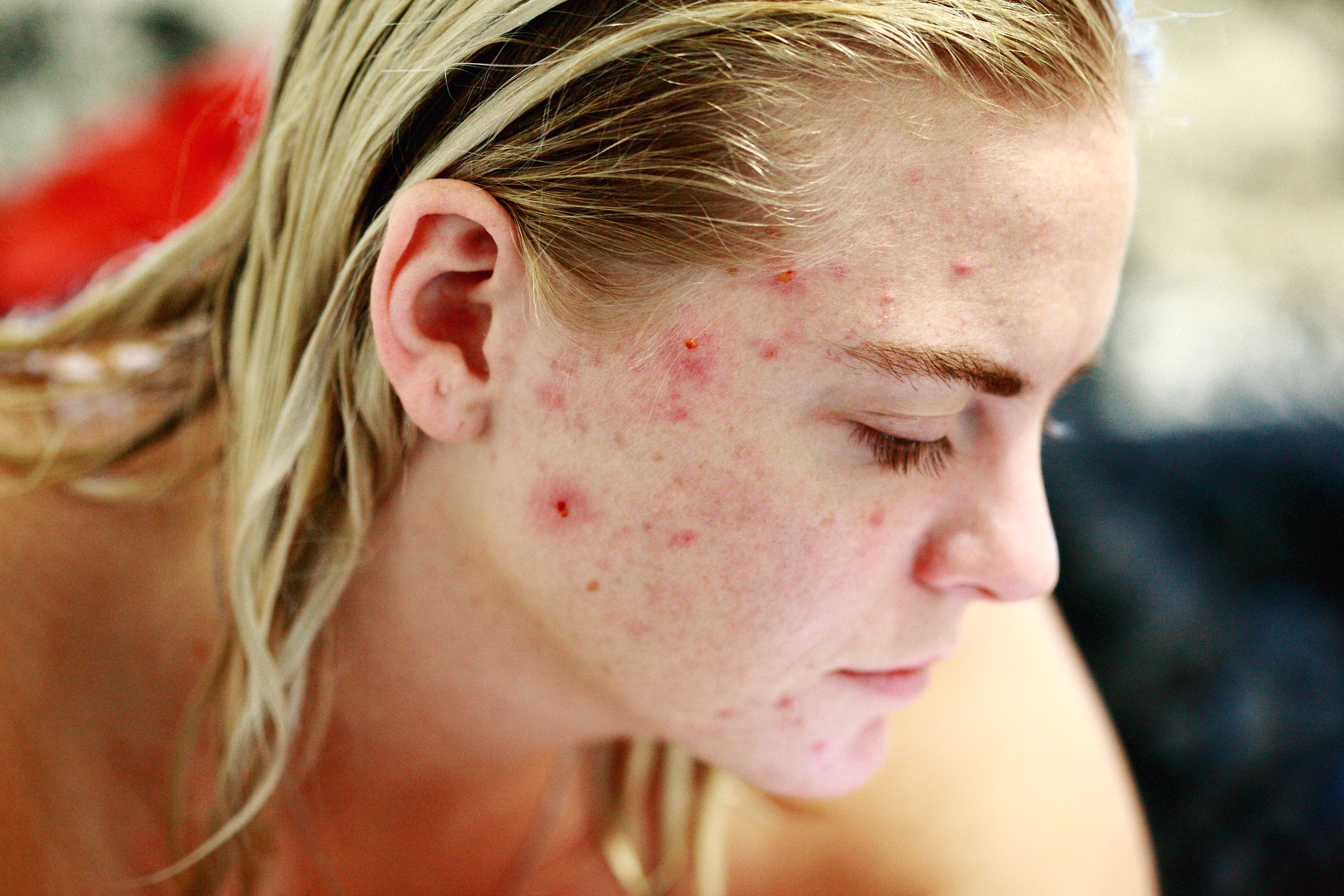
Acne rosacea is a chronic skin condition that primarily affects the face, causing redness, visible blood vessels, and acne-like bumps. Unlike typical acne, rosacea is more common in adults aged 30 and older and is not caused by clogged pores but by inflammation and blood vessel issues.
Symptoms of Acne Rosacea
• Persistent redness on the central part of the face (cheeks, nose, chin, and forehead)
• Visible blood vessels (telangiectasia)
• Acne-like bumps or pustules
• Burning or stinging sensations
• Thickening of the skin, particularly around the nose (rhinophyma)
• Eye irritation (ocular rosacea), such as dryness, redness, or swollen eyelids
Causes of Acne Rosacea
The exact cause of acne rosacea is not known, but several factors may contribute:
• Genetics: Family history can increase the risk.
• Immune System Overreaction: The body’s immune response may play a role.
• Demodex Mites: Overgrowth of skin mites may trigger rosacea.
• Environmental Factors: Sun exposure, wind, and temperature changes can worsen symptoms.
• Vascular Abnormalities: Issues with blood vessels may lead to redness and visible veins.
Triggers for Acne Rosacea Flare-ups
• Hot or spicy foods
• Alcohol consumption
• Stress or emotional changes
• Sun exposure and extreme weather conditions
• Hot beverages
• Certain skincare products or cosmetics
• Exercise
Homeopathic Treatment for Acne Rosacea
Homeopathy offers a holistic approach by treating the underlying causes and improving the skin’s condition naturally.
Common Homeopathic Remedies for Acne Rosacea
• Belladonna: For sudden redness, flushing, and burning sensations.
• Sulphur: For chronic redness and burning with dry, itchy skin.
• Pulsatilla: For sensitive skin with red, acne-like bumps aggravated by heat.
• Rhus Toxicodendron: For rosacea with burning and stinging sensations.
• Hepar Sulphur: For inflamed pustules and sensitive skin.
Lifestyle and Dietary Tips
1. Avoid Triggers: Keep a diary to identify and avoid triggers.
2. Sun Protection: Use broad-spectrum sunscreen daily.
3. Gentle Skincare: Use mild, non-irritating cleansers and moisturizers.
4. Dietary Modifications: Reduce spicy foods, alcohol, and high-glycemic foods.
5. Stress Management: Practice relaxation techniques like yoga or meditation.
6. Stay Hydrated: Drink plenty of water to maintain healthy skin.