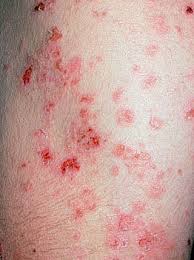
Pemphigus Vulgaris is a rare, chronic autoimmune disease that causes painful blisters and erosions on the skin and mucous membranes. It occurs when the immune system mistakenly attacks desmogleins, which are proteins responsible for holding skin cells together. This leads to a loss of adhesion between skin cells, resulting in fragile blisters that break easily.
Causes
Pemphigus vulgaris is an autoimmune disorder, meaning the body’s immune system mistakenly attacks its own tissues. The exact cause is unknown, but potential triggers include:
Genetic predisposition
Certain medications (e.g., penicillamine, ACE inhibitors)
Environmental factors
Symptoms
Painful blisters on the skin and mucous membranes (mouth, throat, genitals)
Blisters that burst easily, leaving raw, painful sores
Difficulty eating or swallowing if mouth sores are present
Skin infections due to open wounds
Diagnosis
Nikolsky’s sign: Gentle pressure on normal-appearing skin causes blistering.
Skin biopsy: Shows characteristic separation of skin layers.
Direct immunofluorescence: Detects autoantibodies against desmogleins.
Blood tests: Look for circulating anti-desmoglein antibodies.
Treatment
Pemphigus vulgaris is a serious and potentially life-threatening disease if untreated. Treatment aims to suppress the immune system and control symptoms:
Corticosteroids (Prednisone) – First-line treatment to reduce inflammation.
Immunosuppressants (Azathioprine, Mycophenolate mofetil, Rituximab) – Used to lower immune system activity.
IV Immunoglobulin (IVIG) or Plasmapheresis – In severe cases to remove antibodies from the blood.
Antibiotics/Antifungals – To prevent infections in open wounds.
Prognosis
With early diagnosis and proper treatment, many patients achieve remission, but long-term therapy is often needed. Without treatment, complications like infections, dehydration, and sepsis can be fatal.
Do you have specific questions about pemphigus vulgaris?
Lifestyle Veda For All
Lifestyle Veda is Integrated healing platform reversing most of the modern day complex disorders and enabling people to live healthily.