

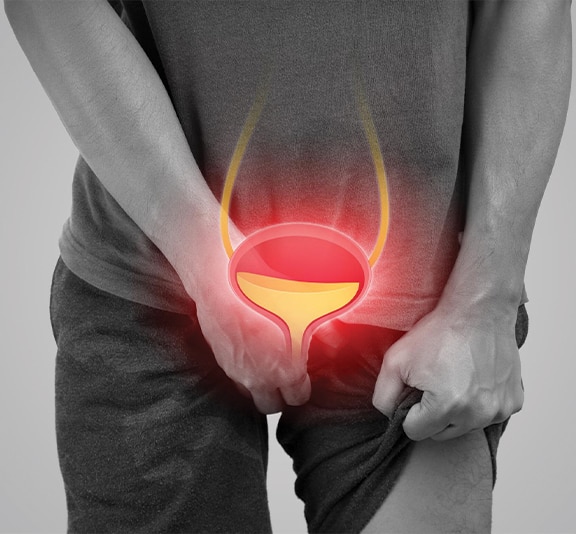
Prostatitis: Causes, Symptoms, and Treatment
Prostatitis is the inflammation of the prostate gland, which can cause pain, urinary problems, and discomfort. It can be acute (sudden and severe) or chronic (long-lasting). Unlike prostate enlargement (BPH) or prostate cancer, prostatitis can affect men of all ages, including younger men (under 50).
Types of Prostatitis
- Acute Bacterial Prostatitis – Sudden bacterial infection, often severe.
- Chronic Bacterial Prostatitis – Recurrent bacterial infection, lasting weeks or months.
- Chronic Prostatitis / Chronic Pelvic Pain Syndrome (CP/CPPS) – Most common type, with no bacterial infection but ongoing pain.
- Asymptomatic Prostatitis – No noticeable symptoms, often found accidentally during tests.
Causes & Risk Factors
Prostatitis can be caused by bacterial infections, nerve damage, or inflammation without infection. Risk factors include:
- Urinary tract infections (UTIs)
- Sexually transmitted infections (STIs) – Gonorrhea, chlamydia, etc.
- Prostate injury or trauma – Cycling, horseback riding, or surgery.
- Weakened immune system – Infections become more likely.
- Pelvic muscle dysfunction – Can trigger chronic pelvic pain.
Symptoms of Prostatitis
Symptoms vary depending on the type:
Acute Bacterial Prostatitis (Severe & Sudden Onset)
⚠ High fever, chills
⚠ Severe pevic pain (lower back, perineum)
⚠ Frequent, painful urination
⚠ Difficulty urinating or weak stream
⚠ Blood in urine or semen
⚠ Nausea, vomiting (severe infections)
Chronic Prostatitis / Chronic Pelvic Pain Syndrome (CP/CPPS)
Ongoing pelvic, groin, or lower back pain
Urinary urgency & frequency
Erectile dysfunction or pain after sex
Pain worsens after sitting for long periods
Asymptomatic Prostatitis (No Symptoms)
- Detected during routine prostate exams or infertility tests.
Diagnosis
Doctors diagnose prostatitis using:
- Physical Examination & Medical History
-
- Digital Rectal Exam (DRE) – Checks for prostate tenderness or swelling.
- Urine & Blood Tests
- Identifies infection or inflammation.
- Prostate-Specific Antigen (PSA) Test
- High PSA levels can indicate inflammation.
- Prostate Fluid Culture
- Checks for bacterial infection.
- Imaging (Ultrasound or MRI)
- For chronic or severe cases.
Treatment Options
1. Medications
- Antibiotics (Ciprofloxacin, Levofloxacin, Trimethoprim-Sulfamethoxazole) – First-line treatment for bacterial prostatitis.
- Alpha-blockers (Tamsulosin, Alfuzosin) – Help relax the prostate and bladder muscles.
- Anti-inflammatory drugs (Ibuprofen, Naproxen) – Reduce pain and swelling.
- Muscle relaxants (Diazepam, Baclofen) – Help relieve pelvic muscle spasms.
2. Home Remedies & Lifestyle Changes
Drink plenty of water – Flushes bacteria from the urinary tract.
Avoid caffeine, alcohol, and spicy foods – Reduces bladder irritation.
Warm sitz baths – Soothes pelvic pain.
Pelvic floor exercises (Kegels) – Strengthens bladder control.
Avoid sitting for long periods – Reduces pressure on the prostate.
3. Physical Therapy (For Chronic Prostatitis/CPPS)
- Pelvic floor therapy – Relieves muscle tension.
- Biofeedback therapy – Helps control muscle relaxation.
4. Surgery (For Severe Cases Only)
- Prostate massage or drainage – Helps remove trapped fluids.
- TURP (Transurethral Resection of the Prostate) – Rarely needed.
Complications (If Left Untreated)
Prostate abscess – A rare but serious bacterial infection
Chronic pelvic pain – Long-term discomfort.
Infertility – Due to poor semen quality.
Recurrent UTIs – Ongoing bacterial infections.
Prevention & Prostate Health Tips
Practice good hygiene – Prevent infections.
Stay sexually healthy – Use protection to avoid STIs.
Exercise regularly – Improves blood flow to the prostate.
Reduce stress – Chronic stress can trigger pelvic tension.
Get regular prostate checkups – Especially if you have recurring symptoms.
Prognosis & Outlook
- Acute prostatitis responds well to antibiotics if treated early.
- Chronic prostatitis may require long-term management.
- CP/CPPS can be frustrating, but a combination of therapy, medication, and lifestyle changes improves symptoms over time.
Would you like specific diet recommendations, exercises, or natural remedies for prostate health? 😊