🌿 Welcome to LifestyleVeda: Integrative Health Platform- Empowering Health, Wellness and Longevity with Minimum Natural Medicines, Healthy Lifestyle Habits and Simple Health Solutions.🌿

Spondylosis: Causes, Symptoms, and Treatment

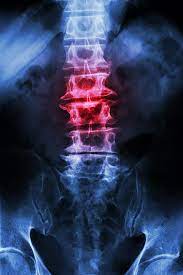
Spondylosis refers to the natural degeneration of the spine due to aging, often affecting the cervical (neck), thoracic (mid-back), or lumbar (lower back) regions. It is also known as spinal osteoarthritis and can cause pain, stiffness, and nerve-related symptoms.


Types of Spondylosis

  1. Cervical Spondylosis (Neck) – Affects the cervical spine, causing neck pain, headaches, and nerve compression.
  1. Thoracic Spondylosis (Mid-Back) – Less common, but can cause stiffness and pain in the upper back.
  1. Lumbar Spondylosis (Lower Back) – Affects the lower spine, leading to lower back pain and potential nerve-related symptoms (sciatica).


Causes of Spondylosis

  • Aging: Natural wear and tear on the spine’s bones, discs, and ligaments.
  • Herniated or Degenerative Discs: Loss of disc flexibility and cushioning between vertebrae.
  • Bone Spurs (Osteophytes): Extra bone growth that can press on nerves.
  • Repetitive Stress or Poor Posture: Long-term strain from work, sports, or bad posture.
  • Injury or Trauma: Past injuries can accelerate spinal degeneration.
  • Genetics: Family history of spine problems may increase the risk.


Symptoms of Spondylosis

  • Pain & Stiffness: Common in the affected spinal area (neck, mid-back, or lower back).
  • Nerve Compression Symptoms:
    • Cervical Spondylosis: Numbness, tingling, or weakness in the arms and hands.
    • Lumbar Spondylosis: Sciatica, leg pain, or weakness in the legs and feet.
  • Reduced Mobility: Difficulty bending, twisting, or turning the neck or back.
  • Headaches (Cervical Spondylosis): Due to nerve irritation in the neck.


Diagnosis

  • Physical Examination: Evaluating range of motion, reflexes, and nerve function.
  • X-rays: Checking for bone spurs or degenerative changes.
  • MRI or CT Scan: Detecting nerve compression, disc herniation, or spinal cord involvement.
  • Electromyography (EMG): Assessing nerve function.


Treatment Options

1. Non-Surgical Treatments

  • Medications:
    • Pain relievers (NSAIDs like ibuprofen, acetaminophen).
    • Muscle relaxants (for spasms).
    • Corticosteroid injections (for severe inflammation).
 
  • Physical Therapy:
    • Stretching and strengthening exercises to improve posture and mobility.
    • Manual therapy for pain relief.
 
  • Lifestyle Changes:
    • Maintaining a healthy weight.
    • Proper ergonomics at work.
    • Low-impact exercises (swimming, walking).
 
  • Heat & Cold Therapy:
    • Heat packs for stiffness, ice packs for inflammation.
 

2. Surgical Treatments (Severe Cases)

Surgery may be needed if there is severe nerve compression, spinal instability, or persistent pain. Options include:

  • Laminectomy: Removing part of the vertebra to relieve pressure.
  • Discectomy: Removing a herniated disc pressing on nerves.
  • Spinal Fusion: Fusing two vertebrae to stabilize the spine.
 

Prevention & Long-Term Management

  • Maintain Good Posture: Avoid slouching, especially during long sitting hours.
  • Regular Exercise: Strengthens the core and back muscles to support the spine.
  • Avoid Heavy Lifting: Use proper techniques to prevent strain.
  • Quit Smoking: Smoking accelerates disc degeneration.


When to See a Doctor

Seek medical attention if you experience:

  • Severe, persistent pain that doesn’t improve with rest.
  • Numbness, tingling, or weakness in the limbs.
  • Loss of bladder or bowel control (could indicate a serious condition like cauda equina syndrome).

Lifestyle Veda is Integrated healing platform reversing most of the modern day complex disorders and enabling people to live healthily.

Scroll to Top