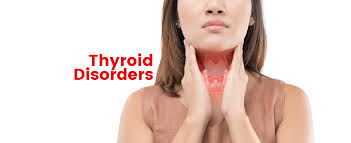
The thyroid is a butterfly-shaped gland in the neck that regulates metabolism, energy levels, and body functions by producing thyroid hormones (T3 & T4). Thyroid disorders occur when the gland produces too much (hyperthyroidism) or too little (hypothyroidism) hormones, or due to structural abnormalities (goiter, nodules, or cancer).
Definition: The thyroid does not produce enough hormones, slowing down metabolism.
Causes:
Symptoms:
Fatigue, weight gai
Cold intolerance
Dry skin, hair thinning
Depression, brain fog
Slow heart rate, constipation
Puffy face, hoarseness
Treatment:
Definition: The thyroid produces too much hormone, increasing metabolism.
Causes:
Symptoms:
Weight loss, increased appetite
Rapid heartbeat (palpitations)
Heat intolerance, excessive sweating
Nervousness, anxiety, irritability
Tremors, muscle weakness
Bulging eyes (Graves’ disease)
Treatment:
Definition: Abnormal thyroid gland enlargement.
Causes:
Symptoms:
Visible swelling in the neck
Difficulty swallowing or breathing
Hoarseness
Treatment:
Definition: Lumps in the thyroid that may be benign or cancerous.
Symptoms:
Most are asymptomatic
Some may cause swelling, pain, or difficulty swallowing
Can produce excess hormones, leading to hyperthyroidism
Diagnosis:
Ultrasound, fine-needle biopsy, blood tests
Treatment:
Types: Papillary, follicular, medullary, anaplastic
Symptoms:
Lump in the neck
Hoarseness, difficulty swallowing
Swollen lymph nodes
Treatment:
TSH Test – Primary screening for thyroid function
T3 & T4 Tests – Measures active thyroid hormones
Thyroid Antibody Tests – Checks for autoimmune thyroid diseases
Ultrasound or Biopsy – Detects nodules or cancer
🔹 Balanced Diet – Ensure iodine intake (seafood, dairy, iodized salt)
🔹 Regular Check-ups – Especially if there’s a family history
🔹 Manage Stress – Chronic stress affects thyroid function
🔹 Exercise Regularly – Helps regulate metabolism
Thyroid disorders are manageable with proper treatment. Early detection ensures better outcomes.