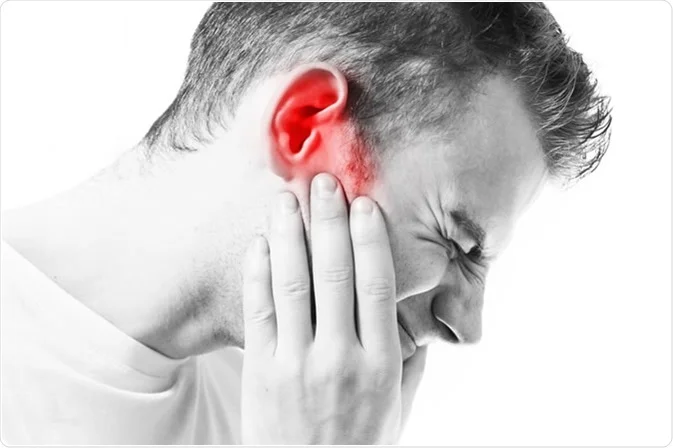
Tinnitus is the perception of ringing, buzzing, hissing, or clicking sounds in the ears when no external sound is present. It is a symptom rather than a disease and can be temporary or chronic.
🔹 Subjective Tinnitus – Only the affected person hears the sound (most common).
🔹 Objective Tinnitus – A doctor can hear the sound during an examination (rare).
Hearing Loss – Age-related or noise-induced damage to the inner ear.
Loud Noise Exposure – Concerts, headphones, machinery.
Ear Infections or Blockages – Wax buildup, fluid in the ear.
Ototoxic Medications – Certain antibiotics, aspirin, diuretics.
Head or Neck Injuries – Trauma affecting the auditory system.
Circulatory Issues – High blood pressure, poor blood flow.
TMJ Disorders – Jaw joint dysfunction.
Neurological Conditions – Meniere’s disease, acoustic neuroma.
Stress & Anxiety – Can worsen perception of tinnitus.
✔ Ringing, buzzing, humming, hissing, or clicking sounds
Can be high-pitched or low-pitche
May be constant or intermittent
Worsens at night or in silence
🔹 Hearing Test (Audiometry) – Checks for hearing loss.
🔹 Physical Examination – To rule out ear infections or wax buildup.
🔹 Imaging (MRI or CT Scan) – If a tumor or vascular issue is suspected.
Reduce caffeine, alcohol, and nicotine (can worsen symptoms).
Manage stress – Meditation, yoga, deep breathing.
✔ Regular exercise – Improves circulation and overall well-being.
🔹 If tinnitus is sudden, worsening, or one-sided.
🔹 If it affects sleep or daily life.
🔹 If it is accompanied by dizziness or hearing loss.